Thursday, August 22, 2013

Going to Zero Waste Week.

In a very productive year on my food agenda, I dare not complain. In 2013 yardening (that's turning your yard into a garden with a Y)  has been proven to satisfy my chewing muscles. Now, how do I store and eat all of this abundance? There shall be no waste in this household. I aim to starve the compost pile and put the worms on a diet. This is my 'Zero Waste Week pledge!

Although I have been a near zero waster for all of my conscious life, I find there is some possibility of refining the art of home foods management. My inspiration is kept current by reading the writings of Rachelle Strauss, aka, Mrs green at My Zero Waste blog. She is a diligent router of all manner of wasteful behavior and a positive influence on the path to personal or corporate responsibility. Her honest and thorough posts, her family videos and tips incite readers to reduce, use, re-use or recycle all that is bought.

The annual event of ' Zero Waste Week' is coming up in September and I am ready to join the fray. Not exactly a frenzy as I live in a far off rural community, but accessible by medium low tech laptop plunking..by the second of next month, I should have enough photos and how-to's to satisfy the do-it-yourself saver of precious nutritional resources. Please follow the recycled brick path to my yarden and climb the wooden stairs to the kitchen for a peak at how a french born writer remains dedicated to some modicum of preservation.

Mind set at zero: no cement block necessary to keep freezer door locked, no double stacking canned goods or jars of preserves in the gluttonous cupboards. I am saving for a food dryer < next year>.

Meanwhile back at our humble home;
dried foods take much less space than canned goods, so, I thread a needle with strong cotton and pass it through the goodies..usually in the center because it is unnerving to have to pick up your gardening efforts from the floor, no matter how clean it is..and a pitiful picture of me on all fours blowing dust before the project is completely ruined. 'True Grit' is a movie, not a crunchy food alternative.

Washed and towel dried mushrooms Agarics, boletus, chanterelles or morels, or cleaned, cubed fruit, apple slices, pears, apricots, plums or veges such as peppers, carrots, rutabaga, winter squash, all keep well when sliced thin enough to dry in a day or two for good measure. Hang in convenient area, away from walking patterns ( our basement has adequate ventilation, so I can suspend my scrumptious garlands from the beams with strong nails, of course) and set a fan on high, till the poor veges and fruits of the land are reduced to shriveling remnants of their former beauty.

To store the winter treats, I loosely roll some around in a bowl of cinnamon sugar for snacks, or simply stack the thinly sliced yellow or green squash in clean, dry glass jars, store in darkest corners of shelves to add to soups, sauces or use as dip chips..mmm!

For my flop of the day, I confess that tomatoes have not been my most successful drying experiment; they slid off, squished together and ultimately ran away with molds and mildews prior to joining some other failed trial in the very forgiving compost area. Someone has to feed the beneficial nematodes?


Reminder to self—save for food dryer-- <or make one out of wood slats and nylon screen, plus fan>. Plan to shrink a few exotics when on sale..kiwis, pineapples, bananas, seedless grapes, mangoes, papayas, quince..I think I hear the strawberries squirming in their patch out back!

I am definitely no joiner, but this is something I can use to sharpen my ecological muscles.
Zero Waste Week, Sept 2-8 2013.wherever you are..on facebook or at myzerowaste.com

Thursday, May 30, 2013

Snailing Night

Snailing night.

Looking in the mirror, I see the ten year old girl that I was. Stringy blond strands fighting straw like underbrush, brown, bronze and wet. A large childish smile parked on dark laughing eyes, I am rain, I am happiness. Can't wait to gross out my friends with my old recipes.

As I pull weeds in the garden, beset with a week of strong storms, I find the American Midwest akin to my temperate humid Southwestern France. I am that child again, standing in the narrow plot behind the house in Angoulême. Feet ensconced in rubber galoshes, I track mud in the paths between vegetables and flowers. It is getting dark and the chill of relentless rain penetrates perception to the bone.

I have set the upturned clay pots amid the thick vegetation and will return after supper to find what the traps have collected. I shake my red raincoat before hanging it on its hall hook, untie my rain cap, slip the overshoes off, and check for moisture on my felt house slippers before stepping on the bees-waxed floor. The strict protocol routine brings comfort in its predictability.

Dinner served, dishes done, I swiftly grab the one rectangular flashlight from the kitchen cupboard, there are some distant rumblings in the sky to the west. I know the sound of nature, little frogs pip in the lilacs, birds stir and shake feathers in the fat peach tree.Facing south the first cloche hides amid Swiss chards, I lift it carefully as if snails could or would run away; the light reveals a good dozen large snails, I pluck them from the safety of their newfound shelter. Guilty, yet hungry for more, checking under dripping plants, I skip from pot to pot, raise them from the rocks I have set them on, drop snails into my wire basket, their new cage.  Tremble and tumble, I moan and bite my lip at every find.

By the time I have walked the entire distance to the last one on the metal shavings pathways, the basket is heavy with the globes of brown striped common snails. A local delicacy. I have done my pesticidal duty, these won't eat our prized endives anymore. I swing the basket of live prey and apologize to them for imprisoning them in this ancient wire structure. I close the lid on them and on my conscience in one swift gesture, click! And there I go trotting to the kitchen, proud of my bounty.

Ah, not too bad says father lifting his demi-tasse cup of dark chicory that smells of Armagnac. Now the spiraling helixes will go on a fast till all fecal detritus is expelled from their systems. Down the basement, I set the tall tower on a newspaper in the ambient darkness for them to become lean and hungry. For us to satisfy a gustatory taste for rare delicacies. I bow my head in hesitant apology.

A week later I bring the terrestrial shells up to the slaughterhouse that will be the kitchen table. I check for dead ones by poking them tenderly with the point of my knife. My Pradel knife finds only two lame victims of this practice to return to the compost pile. The rest are washed in salt water, left to salivate and froth for an hour. Then I must drop them in boiling water, pull the basket up in two minutes and proceed to extract them from the shells. Wash them carefully, as the cooked creatures will be served in these.

Meanwhile I peel garlic, two entire cloves, chop parsley, two whole handfuls, heat olive oil in the sauce pan, throw the minced garlic in, stir till brown, sprinkle a handful of flour over it and pour white wine in it till the sauce thickens—not too thick- not too thin, not a single lump...now add the parsley, just in time to present at table. Perch platter on tile, add the snails and gently enrobe them with the sauce, grind pepper and sea salt over it. Cover and wait.

The plate full of scallions and fresh radishes, celery blades and carrot wedges with three salt wells full of gray Atlantic sea salt is empty, the hors-d'oeuvres plate removed, the shellfish forks installed, I majestically lift the lid off the terrine and exclaim “bon appètit!” I serve father first, line up the thin two pronged wood handled fork perpendicular with the small knife. With great care, I raise the sauce ladle full of the gourmet entree; I am not breathing, nor looking at anything but the steam rising from the centerpiece. The aroma intense in the small kitchen, the sun rays at right angles through sheer curtains, mother sits motionless on her woven reed chair. Hands on apron, I neither budge, nor blink. The suspense unbearable. The tiny fork travels slowly to his lips, I see the dark stubble of evening beard on his chin, I spy the teeth which will tell of the effort I have made.

Now I serve mother, then sit myself, no word, she takes a second bite, kicks my leg under the table. She pushes a flour lump on the side of her plate, slides her tongue on her teeth as if something distasteful had bothered her sensibilities, I dare not take a taste as yet. Just as I inhale, “ ça va, pas mal! Un peu trop salé” ( Ok, not too bad; slightly too salty) father tilts his head in cockeyed approval. I hold a runaway smile under tight lip. Mother silently keeps hunting for lumps with croutons impaled to fork. I plunge into the rare dish and savor each rubbery morsel closing my eyes at every bite, separating the flavors on my palate, grainy garlic, pungent parsley, gray spirals of smooth protein, and the semi-sweetness of the slowly simmered wine lingers on the memory.


Saturday, May 4, 2013

Sunchokes: Jerusalem Artichokes, growing and eating them

Sunchokes: Jerusalem Artichokes, growing and eating them.
image credit urban artichoke. com

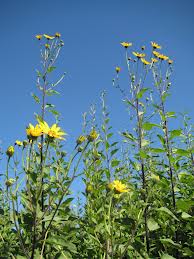
it is now late spring and the Jerusalem artichokes are poking out from under late snows, the old mulch has melted into fertile cover and keeps weeds from showing up. I am still eating some of the roots, plants are ready for summer shade and shine..they look so perky in yellow crowns on my kitchen table.

Just as a child with a sunny disposition can bring joy in the house, the sunchoke plant is a source of moments of happiness in the garden. From spring buds to tall spikes blooming bright yellow above one's head, there are many stages and uses for this humble vegetable. Easy to plant and to nurture; no fuss, or fertilizer, add a little neglect, some water by its feet in dry summer makes the morning happy time..it offers nutritional benefits as well as sheltering properties.

Plant against a wall and find the temperatures drop within the dwelling. Put a few tubers 4 inches into any well drained soil and reap a free crop, sunchokes are prolific. A perennial resurgence of this abundant food source makes it convenient as bean stalks or permaculture favorite. A few small tubers in winter or spring in a sad corner and a fiesta of small sunflower heads by August. To hide compost bins, to soften the wind on prized flowers. Harvest by October onward, the tubers stay underground under 2-4 inches of any mulch all winter-long; a fresh meal at the ready, lift mulch, dig out tubers, leave the rest under leaves, straw, coffee grounds and eggshells for later.

Cooking sunchokes is like preparing potatoes: clean with brush and running water, boil till tender(approx 15 minutes) water will turn a bluish-green color.
Baking is tastier as flavors are concentrated, put them in roasting pan, spray with a little olive oil, add sea salt. Bake for 30-45 minutes at 375 That's all. Carrots and celery make great roasting companions for the small tubers.

Mashed sunchokes are tender treats, depending on texture preferences, you may wish to use a blender on small burst of pulse, till peels have disappeared add a beaten egg and dash of milk and sourcream the creamy substance. Again carrots and parsnips make great additives to this dish. Sprinkle with parmesan, or gruyere, parsley flakes, turmeric and garlic powder.

There is a hint of fennel subliminal aroma to the sunchoke, close your eyes and search for the food memory bank to sort out this delicate perfume, is it licorice? Is it celery like? The unique savor is intriguing especially when stir-fried with other root vegetables. Add a dash of soya sauce or sesame oil.
image credit urban artichoke.com
I must add that topinambours or topines as these are called in France are not always welcome to the table; the farm wife next door explained to us that they had eaten so many of them during the war, she never wanted them to come inside her kitchen—in any form- not even in a bouquet. “ non merci! These are for the rabbits”.

I like rabbit food, so I appreciate such delicacies as a salad of grated sunchokes with dressing of mayonnaise, Dijon mustard , wine vinegar and grape-seed oil. Sea salt and pepper to taste. Serve alone or add to tuna salad, potato salad or green salad, it tastes nutty and crunchy.

For a quick snack, slice sunchokes thinly, and make a dip out of sourcream, crushed bean or humus, green onion, parsley leaves and celery leaves chopped very small. Sea salt and pepper, perhaps some curry spice or garlic powder if preferred.

The tubers hold anti-diabetic properties as they contain inulin ( not insulin) the digestive qualities of this root vegetable make it a must for the table of the conscious gourmet, it is economic to grow; why not plant just a few in a sunny location or partial shade and watch it thrive. 

www.urbanartichokes.com will take you to delectable imagery, the word sunchokes evokes many a dish and myriad blooms of heliantis, the sun flower. 


Friday, April 12, 2013

If it' s April, Must be Water Month!

If it's April, must be Water Month!

Every few minutes, I turn the spigot on, to wash hands, scrub vegetables, rinse rags or brush my shoes. Then I fill the bathtub, schedule a full load in the machine, easy come, easy waste! No, this is the house of waste not, by choice or by conscience, every drop still counts. Tub water will be bucketed out and metted among thirsty individual plants in the garden, dish water will nourish daylillies and apple trees. To each a purpose and a re-purpose. I carry with me ancestral habits and pride.

For my own primary family in the city, water was an economic necessity measured in francs. Every jet from the one kitchen spigot was accounted and regulated by the finance expert known as “mother”; that was where I learned to soak and boil laundry, turn off water between vigorous tooth brushing or face washing. Every basin's worth of precious liquid rendered its weight upon my conscience or more precisely my fear of accountability in the parental eye .

The rural perspective of water presented me with a more pleasant alternative, it was easier to measure the cost of water by its actual weight in the bucket and its physical exertion ratio as I had to pump the stuff from a rotary iron wheel made for men to fill a large container above. The water would then flow trough a two and a half foot limestone wall by way of a thick metal pipe. Water was cold, straight from an underground stream, a well of endless possibility, virtual treasure. Gratis too.

I fondly recollect feeding and watering of grandmother's animals with the free liquid, a large iron mouth would pour through the cemented ditch, a modern invention of my uncle's, it would run down to the lower echelons of the barnyard, all the way to the pig sty, i' d beat the chickens to the pooling pond, a frenzy of fur and feathers, dog, cats and assorted fowl, honking, and cackling about me. What glorious relief these chores were from whatever misery weather had wrought upon us that day. I would carry a bucket and a ladle to allocate some to each of three hundred very thirsty rabbits as well.

At day's end, I would bring sheep home to the barns and fill their troughs. It was my duty to make sure that the cows had functioning watering plates, to the right of each stall where the cattle were chained, I pressed the iron plate to watch the water fill the bowl. Then let the animal slurp to see if it refilled automatically. This was another invention of note..the self waterer, I was elated not to have to carry the water in the stables.

Another endearing sign of progress was the outdoor shower my uncle had designed, a rudimentary shed with no roof, a large iron kettle atop, secured by great beams, the water was hot by afternoon, too hot for me. It poured on command through some complex device which I had to yank; if too hot, I ran out with clothes still on, added some cool water with hose and tried again before disrobing. Making sure the neighborhood boys were far away was the hard part, and unwelcome distraction.

Creeks and sloughs were of equally free spirited benefit, I waded in the luxury, splashed and careened through sun or storm with legs and skirts drenched in the primordial necessity, carefree. This was love, cold or warm, from Ocean to clear spring, it was health, abundance unmeasured.

later, rinsing my own children's clothes in the creek was a distinct advantage, I felt complete and caring, for the purity of the water, the sound of rushing over stones and the smell of hydrogenated goodness, oxygen at work on hands and cloth. What pleasures, what privilege. I miss the contact, senses alive with need and fulfillment; the stuff of life! I shall return with continuing personal evolution of water consciousness across that Ocean and into the desert
.

Saturday, July 21, 2012

Big Heat Advantage


Big heat, not so Bad.

So much depressing news about the heat waves crossing and then settling over the national psyche. So much gripping and complaining about the inevitable weather; and what comes to mind after all is done to control the effect of rising temperatures across large portions of the land? Well, someone has to notice the reverse of this oppressive pattern..

For starters, mosquitoes, yeah, the disease carrying species is in remission; no more midnight buzz as I try to allow myself to slip quietly into sleep, no visitors during a peaceful evening snack on the deck. Stargazing ha! And the flies, yes those fair weather foes of the kitchen gods..they have almost disappeared, unless you factor in a bothersome number of their large cousins, the horseflies which roam hungrily in search of a moist meal of me.

Ticks have been put out of commission, though they are undoubtedly waiting for us, lovely prey in the dark recesses of the forests, away from our lawns, they are not in a state to climb stealthily to our prime blood pumping stations anytime soon. And chiggers are not ready to bother our ankles and fester under skin too dry to accommodate their nutritional needs.

Termites and red ants have relocated their headquarters elsewhere to weather the dry conditions. Hopefully they will have lost our address and leave the remnants of plant casualties to their few relatives left on location. Dry wood rot has stalled to a minimum damage control situation. It can stay that way for awhile. Neither mold nor mildew evident anywhere, what a relief it is!

Fewer butterflies means less voracious caterpillars on my crucifereae, the kale and cabbage have grown sufficiently large and bitter to be unappealing to them by now. Spiders have also changed their demographics to adapt to the conditions; large ones have gone absent, small ones have put up their tents in the stressed gardens as opportunity brought weakened midges and mites to their needs.

My annual slugfest has been thwarted, no need to check under every clay pot or rock, not a trace of slug snot or snail trail to track the vegetarian offenders. Even the munch patterns of the leaf-hoppers and grass-hoppers are few among limp lettuce and stiff artichokes. It' s easy to slap the poor critters at dawn when the heat has not given them proper rest and recuperation.

Of all the expected buggery this spring, I had anticipated an invasion of squash bugs—not yet, the heat has them beat. Oh yes, I did drown many an egg deposit, as I am diligent in my cucurbit duty; I patrol the leaves early on and remove each lovely row of hard shelled brown eggs from the underside of the plants—i still have our daily zucchini on my Pavlovian mind. Not to forget the cucumber salads, the gray-green squash slices to cool a summer palate..i guard the nutritional treasures, come drought or high water around here..

Sunday, March 18, 2012

THREE FRENCH SOUPS


THREE FRENCH SOUPS.

Nourishment comes in many a form and soup is an easy way to conjugate economy with ecology. Sumptuous velvety concoctions or interesting flavors can be achieved in one large pot...add water and spice—savor slowly. Here are ways to reach 'Zero-Waste' and 'Maxi-Taste' in one simple bite.

These three recipes demonstrate the possibilities and adaptations of my most prized mixer. Vitamix came into my life at a time when using every bite was essential to my family's nutrition; its power could reduce fish bones and eggshells to smooth and assimilable liquid minerals in seconds of pulsing.
Basic ingredients can be changed according to regional and seasonal availability, or as a way to use neglected leafy vegetables in garden or refrigerator; an excellent excuse to take someone on a foraging or fishing trip through the countryside.


Green soup..Soupe verte:


Ingredients:
1 quart of water.
A of your choice of leafy greens:
cabbage, beet , turnip greens, lettuce, dandelion, sorrel..or a mix of all; flavors blend very well as they are mitigated by the root vegetables and onion.
2 unpeeled potatoes.
2 parsnips or turnips.
2 small onions cubed.
2 cloves of garlic.
2 tsp each of parsley flakes.
1 tsp sea salt, ground black pepper to taste.
2 Tsp sweet cream or butter.

Preparation:
Wash greens under running water or in a bowl of cold water with a spoon of lemon juice or vinegar.
Cube potatoes and onions, cover with water in large pot, bring to a boil, simmer for 10 minutes.
Add chopped greens and minced garlic to large pot, simmer for 5 to10 more minutes, till greens are limp.
Allow cooling period; then ladle into the blender, pulse to a rough texture..
when potatoes and onions are white specks in a verdant velvet sea..you are ready.

Serving suggestions:
Sour cream or butter, gently stirred in hot soup help to absorb the pro vitamin A and other fat soluble components of the vegetables, plus, one single spoonful of it tastes so rich against the calming effect of the greens.
Croutons or Melba toast slices are always welcome in liquid soups or floating atop with chopped parsley..

Fish soup: faux bouillabaise.

To use whatever fish is available and make a one step nutritional experience, consider the powerful calcium and protein boost of less commercially desirable water creatures..Never waste a single trout skeleton or fish head again, you can reduce the valuable leftovers of a good meal to a tasteful creamed soup. You can use less expensive species or prolific ones such as carp.

Ingredients:
1 quart water.
1 Tsp olive oil.
2 fish heads and bones or whole fish. Any type.
1 large onion, 1 small head of garlic.
2 large tomatoes or 1 small can of stewed tomatoes.
2 celery stalks.
2 green peppers.
1 sprig each of parsley, oregano and dill. (or use 1tsp of the powdered herbs).
1 tsp curry powder. (or cumin, clove and turmeric)
1 tsp sea salt.

Preparation:
Wash fish in cold water with 1 tsp lemon juice or vinegar, lay in deep pan with herbs, cover with water , bring to boil, simmer on low for 30 minutes.
Chop onions, and garlic cloves, fry swiftly in olive oil 5 minutes till transparent.
Add cubed tomatoes and peppers.
Pour over fish and simmer an additional 10 minutes.
Allow to cool then blend thoroughly; bones will be melted into the smooth rusty colored broth.

Serving suggestions:
Again, adding a spoon of sour cream lends a creamier taste and aids in the absorption of the essential nutrients, lycopene, Omega 3s, trace minerals and calcium..
Croutons rubbed with a garlic clove bring a Mediterranean pungency to the 'one bowl' meal.
Fresh parsley sprinkled on top tempers the aroma.

Watercress soup; faux vichyssoise.

A creamy cold soup for springtime celebration, quick and easy, and oh so sumptuous!

Ingredients:
1 quart water.
1 large bunch of watercress.
2 large potatoes.
1 onion, 1tsp sea salt, pepper to taste.
½ cup plain yogurt or sweet cream.

Preparation.
Scrub and cube unpeeled potatoes, bring to boil, simmer for 20 min.
Cut off stringy roots from cress, rinse very thoroughly, chop stems and leaves. Add to potatoes, simmer for additional 5 to 10 min.
allow cooling period, add yogurt or sweet cream, blend till light unctuous green.

Serving suggestions.
Cold or hot, this simple soup is refreshing and mineralizing. Provides iron and tastes like a vege smoothie.
Pour icy cold in glass bowls for a European flair. Decorate with parsley sprigs and sesame cracker crumbs.
 A  side bowl of macademia nuts or cashews lends a contrast to the so-smooth-so-soft texture of the cress soup.

Bon appetit! With gratitude to the Green family from My Zero Waste blog and Little Green blog. for their steady influence toward healthful living.


Friday, March 9, 2012

Spring' sGreen Cure.


Spring Green Detox:

Following seasonal changes, body and mind experience a resurgence of vitality as days get longer; it is essential to prepare for the physical and spiritual renewal ahead. After a more sedentary period, cells may be laden with toxins, intestines and organs are clogged with digestive residue; this is the time to take advantage of plant life to gently cleanse our systems and to add minerals and vitamins in their original interactive properties.

As winter ends, I pull out bags and baskets to gather herbs and greens which some may view as noxious invaders. Foraging tools include light colored clothing, water resistant shoes, hat, hand shovel, small knife or kitchen scissors, paper bags, I also recommend a field book of wild edibles for novice students of nature.

Roadsides may be contaminated with heavy metals from traffic dust and emissions, so I avoid harvesting within 40 feet from any street. The risk of pesticide residue presents real danger along sidewalks or farmer's fields, due to current agricultural practices I must remain at safe distance of cultivated areas. This leaves only woodlots, open range and known neighbors. The sight of an abandoned lot or untended hedges provides comfort to the forager or hunter-gatherer; I skip along wood sides with eye trained to familiar new leaves, secure in the promise of wild foods a turtle or a hare would be fond of.

When the first dandelions peak from cracks and leaf mats around the house, I use a small weed-puller tool to dig up the whole plant. Salads and omelettes benefit from the addition of fresh greens. Stews, sauces, dips and purees can hide the less presentable ones. Add onions or garlic for healthful flavoring. Smooth the taste with a spoon of sour cream and yogurt if not yet accustomed to plain vegetable taste. After a long winter of preserves or processed foods, the digestive track may need tender input.

Chicory begins to bud as a rosette as soon as sun warms the soil, the veins of this dandelion family are reddish then, and make a fine addition to soups. They are diuretic and exert a cleansing action on the biliary ducts, liver and gallbladder, as do the vegetative cousins; artichoke and thistle.

I collect sorrel rosettes by inserting knife below center and sever the tap root, or cut with scissors. The tart oxalic acid is milder than spinach but vibrant in a perky romaine lettuce salad. Iron and multiple trace minerals in this enriching vegetable are absorbed with the aid of its vitamin C content.

I begin munching on all sorts of violets, Viola papilionacea is astringent, I can sense the cleansing properties within the anti-oxidants enhancing vision and immune system. Sautéed in stir fry or added to salads and deserts, they are a welcome texture, leaf and flower. (Note; only harvest the tops) the roots are emetic, could cause some unpleasant vomiting.

Plantains are best picked young, you can identify the flat lanceolate leaf and rosette spread flat on the ground. All species of plantago contain mucilage, a beneficial fiber which lowers LDL cholesterol and triglycerides; used as herbal teas or boiled for greens, they have a soothing and anti-inflammatory effect.

Daylilies are plentiful, not on the gourmet list, but seasoned with scallions or butter, they provide ample fiber and minerals. Young sprouts make great company for a fish platter. Very young spikes moisten an omelette. Sprinkled with vinaigrette like a bland leek, they can be wrapped with cheese and ham. Steamed, they assume the role of companion to potatoes or rice dishes, thicken vegetable soups when pureed and make .

Chickweed' s long wispy strands add excellent nutrition to salads. these plants are best snipped with scissors( unless you enjoy tedious hours untangling them at the kitchen counter later). The mild herb provides much needed vitamins and minerals. I eat most of them on the spot, and may share with the chickens if plentiful.

Matricaria, also called pineapple weed, a chamomile, can provide soothing relief and it tastes as its common name. the fine lacy leaves add visual appeal to humble salads, or as garnish next to fish or squash..yes, it is polite to munch on the decorations in this case..

Within a few weeks of incremental addition of greens, the body will feel scrubbed and rinsed within. There is no magic pill to improve clearer function and motion, the solution to dietary overload lives in the whole plants, ask any cat. Animals instinctively know which herbs smell just right to purge processed pet foods or winter silage out of their systems...i wonder if they feel as good as i when crunching on fresh greens.

The anticipation of pure relief and rejuvenation surges through glands, and i wait for sunshine to coax familiar herbs from the rich loam of the Midwest...If foraging is not on your schedule, perhaps a farmer's market is on your path.
I hear spring coming in the kitchen.